Quick answer
Which hijama points help with convulsions / fits?
Our Convulsions / Fits plan is a 7-session hijama programme using wet and dry cupping points on the back, head and face, front of the body and limbs, allowing 2-4 weeks between sessions. Each session uses different points, shown on zoomable maps for members. The overview, symptoms, diet and lifestyle advice below are free to read.
See where the points are: Back of the body · Face and head · Front of the body · Legs and arms
General information, not medical advice. See the medical disclaimer.
Hijama / Cupping Points Treatment Plan for Convulsions or Fits
Allow 2-4 weeks between sessions – longer if required. Hijama Points shown for each session should ONLY be used to guide the therapist. Body size, cup size, and any other conditions need to considered and appropriate care and attention taken. The number of sessions shown can be increased or reduced depending on the condition of the client.
Complete Treatment Plan
Click here for Session 1Click here for Session 2

Click here for Session 3
Click here for Session 4
Click here for Session 5
Click here for Session 6
Click here for Session 7
Use the standard hijama points as an additional or as separate standalone sessions.
Standard Wet Points – 1,55,101,36,32,107,114,11,12,13
Click here for Hijama Points on the back of the bodyIf the client has a complicated history and numerous concerns then it is a good idea to use our online consultation service – book a one-to-one consultation.
Which body part or function is involved in Convulsions or Fits?
Neurons of the CNS convey messages via rapid electrical impulses that let the brain to correspond behavior, sensation, thoughts, and emotion. Muscles act when bran commands it to. Motor neurons, which are single nerve cells of the spinal cord, are the only way the brain communicates to muscles. When a motor neuron of the spinal cord fires, an impulse runs out from it to the neuron’s muscles. When the impulse travels down the axon to the muscle, a chemical is ejected at its ending. Muscles consists of long fibers attached longways by a ratchet mechanism, the kind of mechanism that enables the two parts of an extension ladder to glid past each other and then lock in a particular position. When the chemical impulse from the motor neuron strikes the muscle, it causes muscle fibers to rachet past each other, extending over each other more so that the muscle gets shorter and thicken. When the impulses from the nerves stop, the muscle fibers relax back to their actual positions.
Each motor neuron communicates to just one muscle, say the bicep on the front of your upper arm that raises your forearm, or to the triceps, the one on the back that causes extension in your forearm. In the cerebral cortex, the orders in the neurons there characterize coordinated movements, like holding up the cup of tea, hit the football, salute. The cortex then relates to a kind of console in the spinal cord that overlaps the motor neurons. This console expands arm posture in space, up-down, left-right. Each needed arm position then is taken as a compilation of certain commands to each motor neuron and muscle. Any disturbance in the electric activity of the brain due to any disease or ailment can result in convulsions and fit also known as seizures. Seizures are more common than anyone might think. Seizures can occur after a stroke, a severe head injury.
What are the symptoms and effects of Convulsions or Fits on the body?
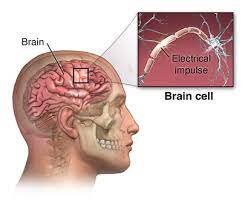
In medical terminology convulsions or fits are called seizures, which happens when there is an abrupt burst of electrical activity in the brain temporarily hindering the normal communicating processes.
The brain affects the whole of the body and so where the convulsions arise in the brain, will involve different areas of the body. There are several types of seizures and a lot of different causes. Any head trauma or tension to the brain can cause seizures, as can brain tumors, malignancy, malaria, eclampsia in pregnancy, etc. It is very common for babies and young children to undergo febrile convulsions. These are convulsions caused by an increased temperature when they are sick. Seizures are very horrible, yet these are hardly life-threatening. Observing the patient’s behavior during convulsions can be useful to neurologists. A sign of epilepsy is made when someone has had at least one light seizure that cannot be associated with any other cause. Fits, seizures, or convulsions can result in harsh out-of-control movements. The causality may undergo absence seizures, where they become strict and unresponsive, full smashing around tonic / clonic fits or anything in between.
Symptoms associated with seizures:
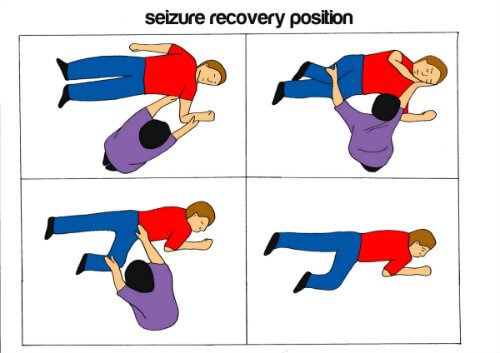
There are several types of seizures, which vary in symptoms and severity. Seizure types depend on where in the brain they started and how far they dissipate. Most seizures stay from 30 seconds to two minutes. A seizure that prolongs a stay than five minutes is a severe emergency. With a seizure, signs and symptoms can vary from mild to severe and change depending on the type of seizure. Seizure signs and symptoms may include:
- Momentary confusion
- A gawking spell
- Unmanageable jerking movements of the arms and legs
- Loss of consciousness or awareness
- Cognitive or emotional symptoms, such as fear, terror, anxiety, or déjà vu.
What changes in diet can help improve symptoms of Convulsions or Fits?
The commonly recommended diet for people with seizures and epilepsy is specified with the name “classic” ketogenic diet. It is a special high-fat, low-carbohydrate diet that controls seizures in some people suffering from epilepsy. It is prescribed by a physician and carefully monitored by a dietitian. It is usually utilized in children with seizures that do not improve by medications.
Changes in lifestyle which can help Convulsions or Fits
Lifestyle modifications can include:
- Enough sleep – Fatigue is one of the most often seizure triggers, and lack of sleep can make the brain weaker to misfiring.
- Avoiding drugs and alcohol – These can be stimulated seizures in patients with epilepsy. Even one or two small intakes can induce seizures.
- Minimizing emotional stress – Although there is no decisive evidence that stress causes seizures, those who maintain healthy stress levels have noted that they believe it decreases their risk.
Possible alternative remedies for Convulsions or Fits
Till now, there’s not much scientific proof that herbal remedies can successfully treat convulsions and fits. Most suggestions are anecdotal, but maybe worth trying with your GPs permission. Some of the herbs that are used most often for convulsions are:
- Burning bush
- Groundsel
- Hydrocotyle
- Lily of the valley
- Mistletoe
- Mugwort
- Peony
- Skullcap
- Tree of heaven
- Valerian
Related Posts:


Sources and further reading
Independent health organisations and research for background. They describe the condition or cupping in general and do not endorse this treatment plan.
About convulsions / fits
Research on cupping therapy
- Cao H, Li X, Liu J. An updated review of the efficacy of cupping therapy – PLOS ONE, 2012
- Al-Bedah AMN et al. The medical perspective of cupping therapy: effects and mechanisms of action – Journal of Traditional and Complementary Medicine, 2019
- Cupping – US National Center for Complementary and Integrative Health
Hijama for convulsions / fits: your questions
Which hijama points are used for convulsions / fits?
Our Convulsions / Fits plan is a 7-session hijama programme using wet and dry cupping points on the back, head and face, front of the body and limbs, allowing 2-4 weeks between sessions. Each session uses different points, shown on zoomable maps for members. The overview, symptoms, diet and lifestyle advice below are free to read. See where the points are on our back of the body, face and head, front of the body and legs and arms maps.
Are hijama points and cupping points the same?
Yes. Cupping points are the places on the body where cups are placed, and in hijama (wet cupping) they are called hijama points: the same numbered points are used for dry cupping and hijama. Our convulsions / fits plan uses wet and dry cupping. Every point is on our hijama and cupping points chart.
How many hijama sessions are needed for convulsions / fits?
Our convulsions / fits plan has 7 sessions, each using different points, with 2-4 weeks between sessions. How many sessions someone needs varies from person to person, and your therapist may adjust the plan. Hijama should support, never replace, care from your doctor.
Can I do hijama for convulsions / fits myself?
Wet cupping should only be done by a trained therapist, with sterile, single-use equipment. Many people unlock the plan for a one-off £9.95 and take it to a Certified Hijama Therapist, who carries out the sessions.
Who should check with a doctor before hijama?
Talk to your doctor first if you have a bleeding or clotting disorder, take blood-thinning medicines, have anaemia, are pregnant, have diabetes or have a heart condition or a pacemaker. Tell your therapist about any medical conditions and medicines before treatment.