Choosing the right hijama cups makes a real difference to how comfortable, safe and effective a cupping session is. Walk into any clinic or search online and you will find cups made of glass, plastic, silicone, rubber, bamboo and even battery-powered devices, in every size from a thumbnail to a teacup.
So which should you use? In this guide we explain the main types of cups, which sizes suit which parts of the body, which cups are suitable for wet cupping, and how to clean and store them. Whether you are a therapist building your kit or simply want to understand what is used on you, this will help you make an informed choice.
At a glance
- Plastic cups with a valve and pump are the standard choice for hijama (wet cupping): cheap, controllable and single use.
- Glass cups are traditional and easy to sterilise, but fire cupping with glass carries a risk of burns.
- Silicone cups are great for moving and facial cupping, but not for wet cupping.
- Use large cups on the back and thighs and small cups on the neck, face and joints.
- Any cup that has touched blood must be single use or properly sterilised, and should never be shared.
"There is no disease that Allah has sent down except that He also has sent down its cure."
Reported in Sahih al-Bukhari
What are hijama cups?
A cupping cup is simply a hollow vessel with an open rim that sits on the skin. When the air inside is removed, by a pump, by squeezing or by heat, the cup creates suction that lifts the skin and the tissue beneath it. In wet cupping (hijama), the cup is applied, removed while small superficial scratches are made, and then applied again to draw out a small amount of blood. If you are new to the therapy itself, start with our guide to what hijama is and how it works.
Cups differ in three ways that matter:
- How suction is created: pump valve, squeeze, heat or an electric motor.
- How strong and controllable the suction is: important for comfort and for avoiding blisters.
- Whether they can be sterilised or must be thrown away: critical for wet cupping.
Cup sizes and shapes: which to use where
Most sets of hijama cups include several sizes so that the cup can match the area being treated. As a rule, the cup should sit flat with its whole rim in contact with the skin, without bridging over bone.
| Cup size | Typical rim width | Best for |
|---|---|---|
| Extra large | 6 cm and above | Upper back, lower back, thighs |
| Large | 5 to 6 cm | Shoulders, back, buttocks |
| Medium | 4 to 5 cm | Back of the neck, arms, calves, abdomen |
| Small | 2.5 to 4 cm | Side of the neck, around joints, the head |
| Extra small | under 2.5 cm | Face, hands, feet and other delicate areas |
Shape matters too. Round cups are the most versatile. Oval or conical cups fit better on curved areas and around joints, and horn-shaped cups reach small, awkward spots. Our body maps show where each hijama point sits, which helps you choose the right size before a session.
Types of hijama cups by material
Plastic cups (pump cups)
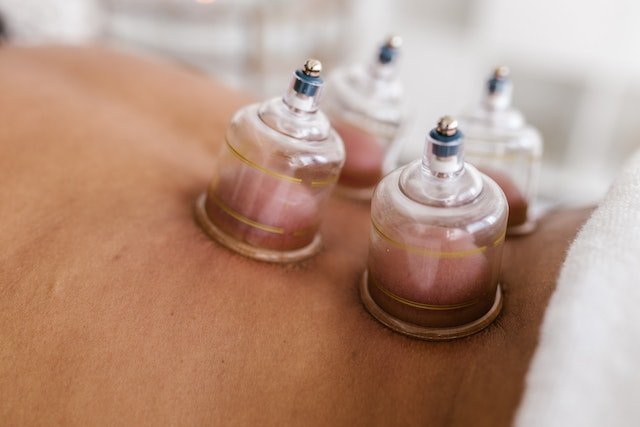
Plastic cups with a one-way valve on top are by far the most common hijama cups in use today. A hand pump, often called a cupping gun, draws the air out through the valve, so the therapist can set exactly how strong the suction is and release it gently by lifting the valve.
- Pros: precise, adjustable suction; light; inexpensive; transparent, so you can watch the skin and the blood collecting.
- Cons: they scratch and cloud over time, and when used for wet cupping they should be treated as single use.
- Best for: wet cupping (hijama) and dry cupping in clinic and at home.
Glass cups
Glass is the classic material for cupping. Suction is created either with heat (fire cupping) or with a rubber bulb or pump valve on top. Glass is smooth, transparent and can be sterilised, which is why many clinics value it.
- Pros: durable, easy to clean and sterilise, lets you see the skin clearly.
- Cons: can break; fire cupping carries a real risk of burns and needs skill.
- Best for: stationary and moving dry cupping by experienced therapists.
Silicone cups
Soft silicone cups are squeezed, placed on the skin and released, so they need no pump. Because they flex, they glide easily over oiled skin, which makes them the first choice for moving (massage) cupping and facial cupping.
- Pros: gentle, flexible, unbreakable, easy to wash and great for self-treatment.
- Cons: suction is harder to control, and they are not suitable for wet cupping.
- Best for: massage cupping, facial cupping and home self-care.
Rubber cups
Rubber cups work like silicone cups: you compress them, place them and let go. They grip well on contoured areas such as shoulders and knees.
- Pros: cheap, durable and easy to handle.
- Cons: less precise suction and harder to clean thoroughly than silicone or glass.
- Best for: dry and moving cupping.
Acrylic cups
Acrylic cups look like glass but are lighter and much harder to break. They usually work with a pump valve, much like plastic cups.
- Pros: clear, tough and reusable for dry cupping.
- Cons: can be damaged by some disinfectants and by heat, so check the manufacturer’s cleaning advice.
- Best for: dry cupping in busy clinics.
Bamboo cups
Bamboo cups are one of the oldest forms of cupping and are still used in traditional practice. They are usually heated, sometimes by boiling in herbal water, then placed on the skin so that suction forms as they cool.
- Pros: natural, sustainable and part of a long tradition.
- Cons: you cannot see the skin, suction is hard to control and bamboo cannot be properly sterilised.
- Best for: traditional dry cupping by trained practitioners.
Horns and horn-shaped cups
The earliest cups were animal horns, with the air sucked out through a small hole at the tip. Today, horn-shaped cups are usually made of glass or silicone and are used for small or curved areas, including the face.
Magnetic cups
These are pump cups with small magnets built in, designed to combine cupping with magnet therapy. They are popular in some traditions, but there is little scientific evidence that the magnets add any benefit beyond the suction itself.
Electric and battery-operated cups
Electric cupping devices create suction with a small motor, and some add heat, vibration or red light. They give consistent suction and save the therapist’s hands during a busy day, but they are expensive and are designed for dry cupping only. Claims made for built-in light therapy are not yet well supported by research.
Hijama cups compared
| Material | Suction control | Wet cupping? | Reusable? | Best use |
|---|---|---|---|---|
| Plastic (pump) | Excellent | Yes | Single use for hijama | Wet and dry cupping |
| Glass | Good | With care | Yes, sterilise | Dry and fire cupping |
| Silicone | Fair | No | Yes | Moving and facial cupping |
| Rubber | Fair | No | Yes | Dry cupping |
| Acrylic | Very good | Not advised | Yes, dry only | Clinic dry cupping |
| Bamboo | Poor | No | Limited | Traditional practice |
| Electric | Excellent | No | Yes | Dry cupping |
Which hijama cups are best for wet cupping?
For hijama, plastic pump cups are the safest and most practical choice. They let you see the blood as it collects, control the suction precisely and release it gently, and they are cheap enough to throw away after each client. That last point matters most: any cup that has been in contact with blood can carry infection.
Hygiene is not optional. Never reuse wet-cupping cups between clients, never share cups, and dispose of blades in a proper sharps container. Cross-contamination is the biggest avoidable risk in hijama.
Choosing a hijama cupping kit for home use
Home cupping kits are a convenient way to use dry and moving cupping as part of a self-care routine. A good kit should include:
- a range of cup sizes, from small to extra large
- a pump with a comfortable grip and a reliable valve
- clear instructions, ideally with a points guide
- a few soft silicone cups for moving or facial cupping
- spare valves and caps
Before you buy hijama cups, check that they are made from medical-grade materials, that the valves seal properly and that replacements are easy to find.
Wet cupping at home is a different matter. Because it involves breaking the skin, it should only be done by someone trained in safe technique, anatomy and hygiene. If you are learning, follow a structured plan such as our hijama treatment plans, which show exactly which points to use in each session.
How to clean and store hijama cups
- Single-use cups: after wet cupping, dispose of cups, blades and dressings safely and do not reuse them.
- Reusable cups used for dry cupping: wash in warm, soapy water straight after use, rinse, then disinfect with a product suitable for the material.
- Glass: can usually be sterilised; check for chips or cracks, which can cut the skin.
- Silicone and rubber: wash, dry fully and store away from direct sunlight so the material does not perish.
- Storage: keep cups in a clean, closed box, and keep pumps and valves dry.
Common mistakes when using hijama cups
- Using cups that are too big for the area, so the rim bridges over bone and the seal leaks.
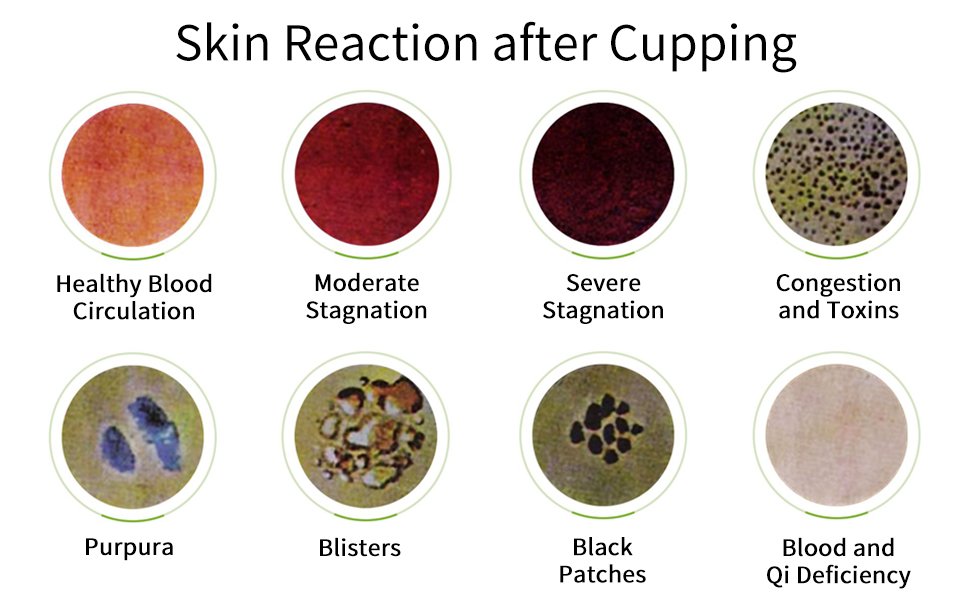
- Too much suction for too long, which causes blisters. Start gently, especially with new clients.
- Leaving cups on too long. For most people a few minutes is enough.
- Reusing wet-cupping cups, which risks infection.
- Using fire cupping without training, which can cause burns.
Frequently asked questions about hijama cups
What are the best hijama cups for beginners?
Clear plastic cups with a pump and valve. They are inexpensive, let you control the suction precisely and let you see the skin, which makes them the easiest cups to learn with.
Can silicone cups be used for hijama?
Silicone cups are excellent for dry, moving and facial cupping, but they are not recommended for wet cupping, because their suction is harder to control and they cannot be reliably sterilised once they have touched blood.
How many cups do I need?
A starter set usually has 12 to 24 cups in several sizes. A typical hijama session uses anywhere from 2 to 12 cups, depending on the condition and the treatment plan.
Are glass cups better than plastic?
Not necessarily. Glass is durable and easy to sterilise, which suits dry and fire cupping, while plastic pump cups give better suction control and can be single use, which is why they are preferred for wet cupping.
How long do cupping cups last?
Reusable glass and silicone cups can last for years with care. Plastic cups used for wet cupping should be treated as single use, and reusable plastic cups should be replaced when they crack, cloud or stop holding suction.
Know your cups? Now find your points. Our hijama treatment plans show where to place each cup, session by session, for 68 conditions. For general background, see this overview of cupping therapy on Physiopedia.
This article is for general information only and is not medical advice. Always consult your GP or medical practitioner, and a certified hijama therapist, before starting treatment.