Quick answer
Which hijama points help with immune system deficiency?
Our Immune System Deficiency plan is a 5-session hijama programme using wet and dry cupping points on the back, front of the body and limbs, allowing 2-4 weeks between sessions. Each session uses different points, shown on zoomable maps for members. The overview, symptoms, diet and lifestyle advice below are free to read.
See where the points are: Back of the body · Front of the body · Legs and arms
General information, not medical advice. See the medical disclaimer.
Complete Hijama Treatment Plan for Immune System Deficiency
Allow 2-4 weeks between sessions – longer if required. Hijama Points shown for each session should ONLY be used to guide the therapist. Body size, cup size, and any other conditions need to considered and appropriate care and attention taken. The number of sessions shown can be increased or reduced depending on the condition of the client.
Complete Treatment Plan
Click here for Session 1Click here for Session 2

Click here for Session 3
Click here for Session 4
Click here for Session 5
Use the standard hijama points as an additional or as separate standalone sessions.
Standard Wet Points – 1,55,120,49
Click here for Hijama Points on the front of the bodyClick here for Hijama Points on the back of the body
If the client has a complicated history and numerous concerns then it is a good idea to use our online consultation service – book a one-to-one consultation.
Which body part or function is involved in Immune System Deficiency?
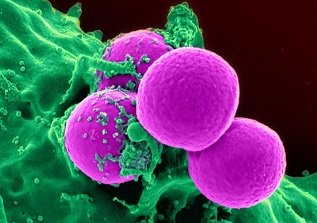
The immune system is the most essential component of the body for survival without which human survival is impossible due to the pathogen (viruses, bacteria, and parasites) present in the environment. The immune system is composed of multiple tissues, organs, cells, proteins, and chemicals that are spread throughout the body. The components of this system are specialized to distinguish the self from non-self-components and dead and faulty cells to remove them from the system without harming the body. When the immune system encounters any pathogen, it starts a cascade of reactions that leads to an immune response.
The immune system in the human body remains in a constant fight with some common infections like seasonal flu and cold that are caused by multiple strains of different viruses. The immunity against one virus does not protect a person from getting infected by another virus that is infecting for the first time, so this battle keeps going as our body gets exposed to new pathogens.
The major components of the immune system include:
- Lymphatic system
- Spleen
- Thymus
- Antibody
- Bone marrow
Complementary systems such as white blood cells and antibodies , besides this, various other barriers protect our body from the attack of pathogens leaving no loophole in the body’s defense these include: Skin: act as a barrier against the direct pathogens that are in continuous contact with our skin surface by secreting oils with antimicrobial properties. Lungs: lungs are lined with mucous-producing cells the mucous efficiently traps the foreign particles and cilia pushes the mucous towards the mouth to cough it out. Digestive tract: also have a mucous lining having antibodies and also the stomach acids are efficient in killing the pathogens. Other than that, saliva and tears also contain antibacterial enzymes eliminating the chances of infection. When there is some impairment in any of the immune components our body is exposed to the harmful pathogens leading to infections and other health problems.
What are the symptoms and effects of Immune System Deficiency on the body?
The immune system in our body works so smoothly that we don’t even feel a thing unless there is some new invader we come in contact with. This system is so complex involving numerous components all working together to attack and destroy anything unusual while leaving nothing in the body unattended. When there is some immune system deficiency it prevents the body from fighting infections and diseases making the body vulnerable to foreign invaders that can harm normal functions. If there is an immune system deficiency by birth or due to some genetic alteration, is called primary immunodeficiency disease and there are multiple primary immunodeficiency disorders few examples of this include:
- Severe combined immunodeficiency disorder (SCID) also called “boy in a bubble”
- X-linked agammaglobulinemia (XLA)
- Common variable immunodeficiency (CVID)
When some chemical or pathogen from the outside environment attacks and causes an immunodeficiency, it is called secondary immunodeficiency disease. The causes of secondary immunodeficiency disease may include radiation exposure, diabetes, severe burns, malnutrition, chronic uremia, and chemotherapy.
Some examples of secondary immunodeficiency disorders include:
- Acquired immunodeficiency syndrome (AIDS)
- Multiple myeloma
- Viral hepatitis Leukemia
The risk factors for immune system deficiency include people having a family history of primary immunodeficiency disorder are at greater risk of developing the primary immunodeficiency disorder. On the other hand, anything that deteriorates the immune system can cause secondary immunodeficiency disorder like getting exposed to bodily fluids infected with the human immunodeficiency virus (HIV) or removal spleen that is done in case of a disease like sickle cell anemia, trauma to the spleen, or liver cirrhosis. Aging causes the shrinkage of organs involved in producing the white blood cells leading to low WBC count and immune system deficiency. Likewise, lack of essential proteins in the body, lack of proper sleep, cancer, and the drugs used in chemotherapy can cause lower immunity in people. The symptoms of immune system deficiency may include recurrent pneumonia, meningitis, infection and inflammation of internal organs, colds, pinkeye, yeast infections, delayed growth, sinusitis, and diarrhea, or other digestive issues.

What changes in diet can help improve symptoms of Immune System Deficiency?
It’s a well-known fact that taking a healthy and balanced diet improves immunity and the ability of the body to fight infections. To boost immunity, one should maintain a healthy weight, take a diet that is balanced and includes fresh fruits, vegetables, lean meat, dairy products, and whole grains.
Changes in lifestyle which can help Immune System Deficiency
It is really important to make the necessary lifestyle changes to improve overall health and immunity. Taking enough sleep and rest allows your immune system to heal and maintain itself. Also, regular exercise and fitness of the body are important to maintain a healthy weight and strengthen the heart and improves muscle function. People suffering from immune system deficiencies can get involved in the activities like swimming, biking, and taking a walk.
Possible alternative remedies for Immune System Deficiency
Immunity can be boosted in various natural ways by taking the nutrients containing antioxidants to fight free radicals. Numerous medicinal herbs can be used to support the immune system as many of these herbs are found to contain phytochemicals with antiviral and antibacterial activity. Some of the herbs supporting the immune system include curcumin, thyme, goldenseal, oregano, Boswellia, garlic, elderberry, and thuja.
Related Posts:



Sources and further reading
Independent health organisations and research for background. They describe the condition or cupping in general and do not endorse this treatment plan.
About immune system deficiency
- Immune System and Disorders – MedlinePlus
Research on cupping therapy
- Cao H, Li X, Liu J. An updated review of the efficacy of cupping therapy – PLOS ONE, 2012
- Al-Bedah AMN et al. The medical perspective of cupping therapy: effects and mechanisms of action – Journal of Traditional and Complementary Medicine, 2019
- Cupping – US National Center for Complementary and Integrative Health
Hijama for immune system deficiency: your questions
Which hijama points are used for immune system deficiency?
Our Immune System Deficiency plan is a 5-session hijama programme using wet and dry cupping points on the back, front of the body and limbs, allowing 2-4 weeks between sessions. Each session uses different points, shown on zoomable maps for members. The overview, symptoms, diet and lifestyle advice below are free to read. See where the points are on our back of the body, front of the body and legs and arms maps.
Are hijama points and cupping points the same?
Yes. Cupping points are the places on the body where cups are placed, and in hijama (wet cupping) they are called hijama points: the same numbered points are used for dry cupping and hijama. Our immune system deficiency plan uses wet and dry cupping. Every point is on our hijama and cupping points chart.
How many hijama sessions are needed for immune system deficiency?
Our immune system deficiency plan has 5 sessions, each using different points, with 2-4 weeks between sessions. How many sessions someone needs varies from person to person, and your therapist may adjust the plan. Hijama should support, never replace, care from your doctor.
Can I do hijama for immune system deficiency myself?
Wet cupping should only be done by a trained therapist, with sterile, single-use equipment. Many people unlock the plan for a one-off £9.95 and take it to a Certified Hijama Therapist, who carries out the sessions.
Who should check with a doctor before hijama?
Talk to your doctor first if you have a bleeding or clotting disorder, take blood-thinning medicines, have anaemia, are pregnant, have diabetes or have a heart condition or a pacemaker. Tell your therapist about any medical conditions and medicines before treatment.