Quick answer
Which hijama points help with irritable bowel syndrome?
Our Irritable Bowel Syndrome plan is a 4-session hijama programme using wet and dry cupping points on the back and front of the body, allowing 2-4 weeks between sessions. Each session uses different points, shown on zoomable maps for members. The overview, symptoms, diet and lifestyle advice below are free to read.
See where the points are: Back of the body · Front of the body
General information, not medical advice. See the medical disclaimer.
Cupping / Hijama Points Treatment Plan for Irritable Bowel Syndrome
Allow 2-4 weeks between sessions – longer if required. Hijama Points shown for each session should ONLY be used to guide the therapist. Body size, cup size, and any other conditions need to considered and appropriate care and attention taken. The number of sessions shown can be increased or reduced depending on the condition of the client.
Complete Treatment Plan
Click here for Session 1Click here for Session 2

Click here for Session 3
Click here for Session 4
Use the standard hijama points as an additional or as separate standalone sessions.
Standard Wet Points – 1,55,6,48,7,8,14,15,16,17,18,45,46
Standard Dry Points – 137
Click here for Hijama Points on the back of the body
If the client has a complicated history and numerous concerns then it is a good idea to use our online consultation service – book a one-to-one consultation.
Which body part or function is involved in Irritable Bowel Syndrome?
Irritable Bowel Syndrome (IBS) is a gastrointestinal disorder that occurs due to impairment of the large intestine and lasts for a long time. Although in normal conditions large intestine stores the stool before defecation. As the large intestine is the last part of the gastrointestinal tract, the stool passes quickly from the small intestine to the large intestine. The large intestine begins from the pelvis’s right iliac region, just below the waist, while it joins the end of the small intestine at the cecum via an ileocecal valve.
The large intestine is down U-shaped and divided into the regions while having four parts; the cecum, colon, rectum and anal. The large intestine’s function is to absorb water and salts from partly digested food and excrete out wastes from the body after the digestion in the stomach. The essential nutrients and electrolytes have also been removed.
If we deeply talk about each part of the large intestine, it includes transverse colon, ascending and descending colon, right and left colic flexure, haustrum, ileocaecal valve, caecum, appendix, sigmoid colon, rectum, and lastly anus.
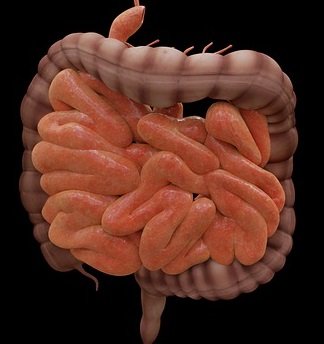
It is true for everyone that having a healthy and normal digestive system means having a daily
bowel movement. It’s also termed normal if you have one or more bowel movements per day or in a week. Some people consider that they are constipated based on the experience of more than one bowel movement a day, but that’s not true. If you experience more than one bowel movement in a day or a week, that does not mean you are constipated or have symptoms of diarrhea. Bowel movements are closely related to the large intestine. If there is any disturbance or discomfort with the bowel movements, the stool passes from the large intestine with difficulty.
What are the symptoms and effects of Irritable Bowel Syndrome on the body?
Irritable bowel syndrome is a disorder of the digestive system in which the large intestine is affected. The irritable bowel movement results in acute gastrointestinal tract infection, post-infectious stress, and depression are considered to be the reason behind irritable bowel syndrome. Psychological studies have shown that IBS can also develop by psychological factors like anxiety and depression.
The common symptoms for IBS include:
- Sudden change in your diet
- Abdominal and stomach pain
- Diarrhea
- Constipation
- Swelling of digestive muscles
- Ulcer
- Urgent bowel movements
IBS can lead to other digestive diseases and can be dangerous sometimes. The IBS caused diseases include:
Intestinal Cancer – The intestines connect with the stomach and the last part of the digestive system. IBS does not cause cancer, but some of its symptoms overlap with more serious bowel conditions, so see your GP if your symptoms change or you notice bleeding or weight loss. If you already have celiac and Crohn’s disease and colonic polyps, as well as with the IBS, then your chances increase for intestinal cancer. However, it is rare, the second of IBS. Intestinal cancer symptoms include sudden weight loss, abdominal pain, lump in the abdomen, sacs inside the GI cavity, and blood with every stool.

Other Bowel Disorders – The only IBS when reach severity can lead to other bowel disorders like Crohn’s disease, celiac disease, and intestinal obstruction. The intestinal obstruction, also known as bowel obstruction, hinders the regular movements of the waste digested material or stool in the digestive muscles. It is a mechanical function by which small and large intestines are disturbed and affected. The symptoms of bowel obstruction include abdominal pain, bloating, and vomiting with gas problems while if you experience chronic bowel obstruction, the symptoms will be severe pain in the belly with the feeling of fullness and swelling.
What changes in diet can help improve symptoms of Irritable Bowel Syndrome?
IBS can affect your intestines very hard if you don’t follow the proper diet for it. The diet for IBS is not similar in each patient of IBS. Your doctor may recommend you the proper diet after checking the severity of your condition. Mostly the diet recommended includes eating more fibrous meals, avoiding gluten, and following a low FODMAP diet. The FODMAP diet figures out which diet is not suitable for your stomach and intestine also suggests the food that is good and reduces IBS symptoms or retard bacterial growth.
Changes in lifestyle which can help Irritable Bowel Syndrome
Small changes to your lifestyle and daily routine may help you manage the symptoms of IBS. The lifestyle changes include the change in diet activities and routine exercises. Stop doing hard exercises because it may cause intestinal pain. Do a proper walk for at least 30 minutes and yoga to meet psychological peace of mind.
Possible alternative remedies for Irritable Bowel Syndrome
The physicians recommend four suggestions during irritating bowel syndrome. These suggestions help to avoid IBS severe conditions. These remedies include:
- Eating fibrous food to avoid constipation.
- Avoid spicy foods: Spicy foods can attack your gastrointestinal tract and trigger your irritating bowel syndrome symptoms.
- Eat on time: Make your timetable to eat and follow it
- Exercise regularly: It helps to decrease pain caused by IBS
Related Posts:



Sources and further reading
Independent health organisations and research for background. They describe the condition or cupping in general and do not endorse this treatment plan.
About irritable bowel syndrome
Research on cupping therapy
- Cao H, Li X, Liu J. An updated review of the efficacy of cupping therapy – PLOS ONE, 2012
- Al-Bedah AMN et al. The medical perspective of cupping therapy: effects and mechanisms of action – Journal of Traditional and Complementary Medicine, 2019
- Cupping – US National Center for Complementary and Integrative Health
Hijama for irritable bowel syndrome: your questions
Which hijama points are used for irritable bowel syndrome?
Our Irritable Bowel Syndrome plan is a 4-session hijama programme using wet and dry cupping points on the back and front of the body, allowing 2-4 weeks between sessions. Each session uses different points, shown on zoomable maps for members. The overview, symptoms, diet and lifestyle advice below are free to read. See where the points are on our back of the body and front of the body maps.
Are hijama points and cupping points the same?
Yes. Cupping points are the places on the body where cups are placed, and in hijama (wet cupping) they are called hijama points: the same numbered points are used for dry cupping and hijama. Our irritable bowel syndrome plan uses wet and dry cupping. Every point is on our hijama and cupping points chart.
How many hijama sessions are needed for irritable bowel syndrome?
Our irritable bowel syndrome plan has 4 sessions, each using different points, with 2-4 weeks between sessions. How many sessions someone needs varies from person to person, and your therapist may adjust the plan. Hijama should support, never replace, care from your doctor.
Can I do hijama for irritable bowel syndrome myself?
Wet cupping should only be done by a trained therapist, with sterile, single-use equipment. Many people unlock the plan for a one-off £9.95 and take it to a Certified Hijama Therapist, who carries out the sessions.
Who should check with a doctor before hijama?
Talk to your doctor first if you have a bleeding or clotting disorder, take blood-thinning medicines, have anaemia, are pregnant, have diabetes or have a heart condition or a pacemaker. Tell your therapist about any medical conditions and medicines before treatment.